- Years of Life: 1818-1865
Early Life and Conversion
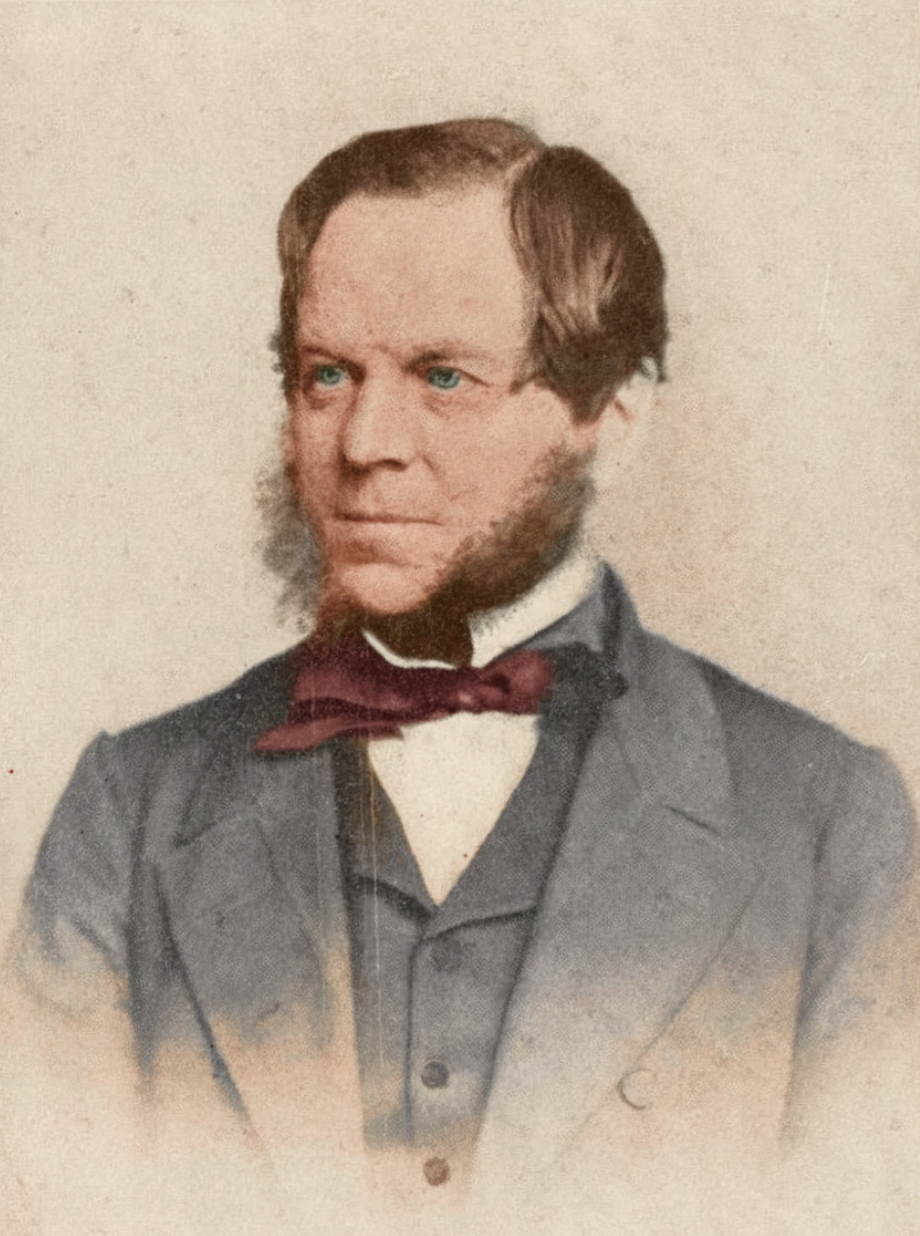
William Trotter was born in 1818. His spiritual life began remarkably early: he was converted at the age of twelve, finding peace with God through the ministry of William Dawson, the Methodist preacher widely known in the North of England as “Billy Dawson.” From the outset, his Christian experience was marked by earnestness, clarity, and zeal.
By fourteen years of age, Trotter had already begun to preach the gospel, an indication both of his spiritual maturity and of the evident gift God had entrusted to him.
Methodist Ministry and Revival Work
At the age of nineteen, William Trotter became an ordained minister of the Methodist New Connexion. His preaching was soon signally owned of God. He was greatly used in a revival at Halifax, and later ministered at York, where his work was accompanied by widespread blessing and the conversion of many souls.
During this period, Trotter stood at the height of public usefulness within Methodism. His ministry was effective, respected, and fruitful, and there was no outward indication that his path would soon diverge so decisively from denominational life.
Crisis of Conscience and Resignation
It was precisely at the point of greatest usefulness that a crisis arose. The Conference, or a governing body within the denomination, determined that Trotter should be removed to London to serve in a chapel that had declined in attendance and influence. The practical result of this decision was that his public ministry was virtually silenced.
This experience brought home to Trotter a deep spiritual conviction: he saw, as he later expressed, “what a terrible thing it was for a man, or a number of men, to come between his work and God.” He recognised the unscriptural nature of ecclesiastical control over spiritual gift and gospel testimony.
Rather than submit to such restraint, he resigned his position, surrendering security and status in order to follow what he believed to be the teaching of Scripture.
Fellowship with the Brethren
After leaving Methodism, William Trotter associated himself with the Brethren, among whom his ministry was again freely exercised and richly owned of God. In this setting, he found liberty to preach Christ without human interference, in dependence upon the guidance of the Holy Spirit.
He quickly became widely loved and respected. W. B. Neatby, in his History of the Brethren, wrote of him that he was “more highly spoken of by every one who knew him than almost any other Plymouth Brother.” His kindness, affection, and spiritual warmth endeared him to believers of many backgrounds.
Role in the Plymouth and Bethesda Controversies
During the painful controversies of 1848–1850, centred on Plymouth and Bethesda, Trotter took an active and vigorous part through his writings. Though these disputes were deeply sorrowful, his contributions were marked by clarity, moral earnestness, and strong conviction.
His historical letters—such as The Whole Case of Plymouth and Bethesda and The Origin of (so-called) Open-Brethrenism—remain important documents for understanding that troubled period. Yet, significant as these were, it is not on controversy that his enduring reputation chiefly rests.
Literary and Teaching Ministry
William Trotter was a powerful and prolific writer, particularly on prophetic subjects. His works combined depth, breadth, and pastoral warmth, and many passed through multiple editions.
Among his most important writings are:
Major Works
-
Eight Lectures on Prophecy (1851)
-
Plain Papers on Prophetic Subjects (over 600 pages)
-
Papers on the Pre-Millennial Advent of the Lord Jesus (1868)
-
Essays on Prophetic Interpretation
-
Christ and the Church
-
A Full Christ for Empty Sinners
Practical and Ecclesiastical Writings
-
Five Letters on Worship and Ministry in the Spirit
-
A Lecture on the Use of Money
-
A Letter on Liberty of Ministry
-
The Secret of Blessedness in a Sinful World
He also edited for several years The Christian Brethren’s Journal and Investigator, which chronicled the rise of early Brethren assemblies—“little companies of earnest men” who began meeting independently across the country, united by a fresh apprehension of the Person of Christ and the unity of all believers.
Character and Spiritual Influence
William Trotter was widely known for his tenderness of heart, affection, and generosity of spirit. Though capable of strong argument and fearless writing, he was no mere controversialist. His deepest passion was Christ Himself—His glory, His coming kingdom, and His Church.
Despite his short life, it was often said that he “did the work of three lives.” His energy, productivity, and spiritual influence far exceeded what might ordinarily be expected within such a brief span.
Death and Legacy
William Trotter died in 1865, at only forty-seven years of age. His early death was felt throughout the Christian community as a heavy and irreparable loss, especially among the Brethren, who could ill afford to lose a man of such gifts, balance, and devotion.
His legacy endures in:
-
his prophetic writings
-
his defence of liberty in ministry
-
his testimony against ecclesiastical control
-
his Christ-centred gospel preaching
Above all, he is remembered as a man faithful to God rather than to systems, whose life bore witness to the truth that spiritual power flows only where Christ alone is Lord.