- Years of Life: 1796-1889
Early Life, Family, and Position
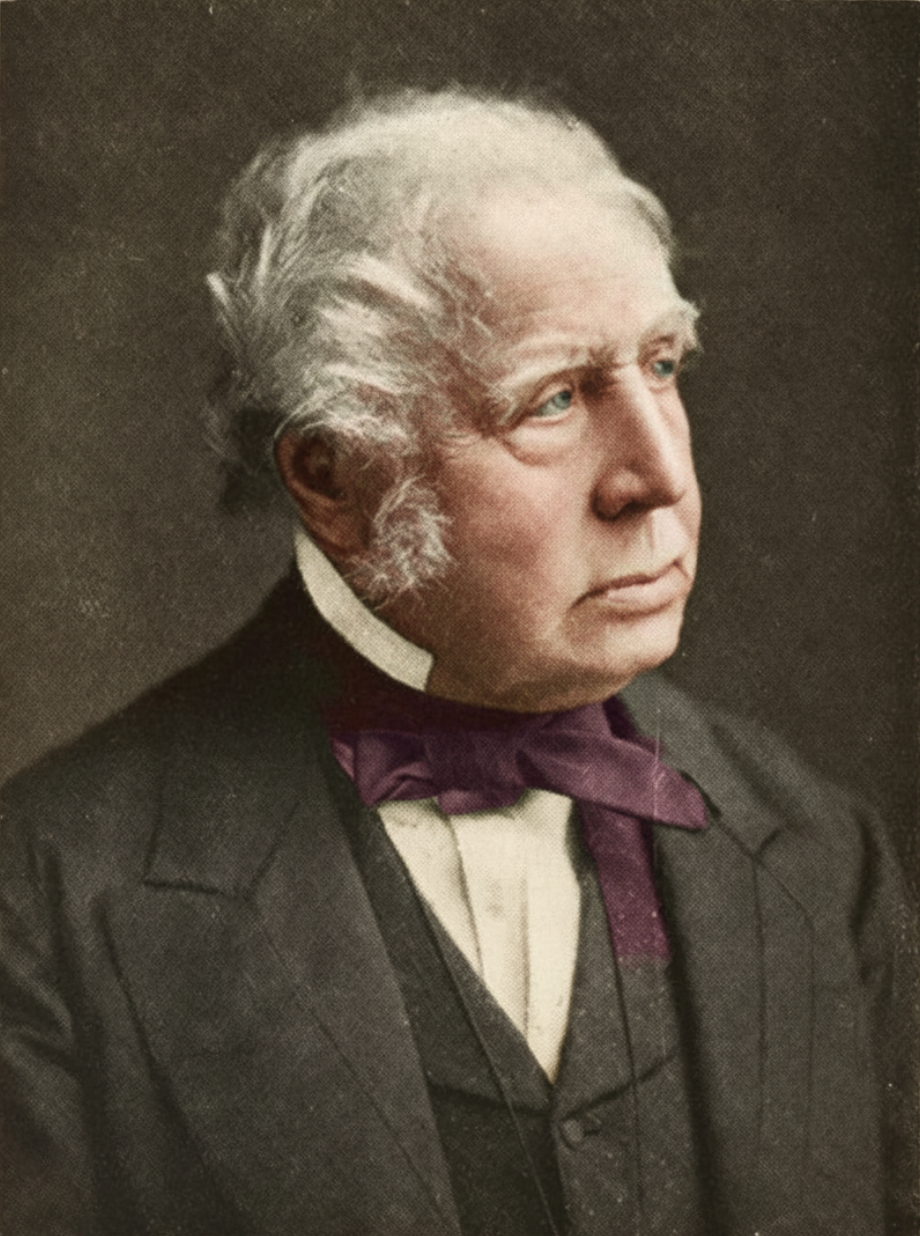
Sir Edward Denny, Baronet, was born on 2 October 1796 and belonged to a family of rank and influence in Ireland. He succeeded his father as the fourth Baronet in August 1831, becoming owner of Tralee Castle and a vast amount of property in County Kerry. By inheritance he possessed social standing, title, and substantial wealth—advantages that placed him well above the ordinary level of his contemporaries.
Yet it was precisely this contrast—between worldly privilege and spiritual devotion—that made his Christian life so striking.
Conversion and Early Christian Exercise
Sir Edward was brought under deep conviction of sin through reading an Irish story entitled “Father Clement.” This unexpected instrument awakened his conscience, leading him to confess Christ openly and to devote himself to the Lord’s service.
From the outset, his faith expressed itself not in public display but in quiet, unassuming ministry—particularly to the poor and to the saints of God. Though his resources were great, his manner of life was simple, and his generosity was governed by love rather than recognition.
Stewardship of Wealth and Personal Simplicity
An illuminating glimpse into Sir Edward’s character is preserved in a report from the Leeds Mercury (19 June 1889). Although nearly the whole town of Tralee belonged to him, when leases expired he deliberately refused to raise rents, even when such increases would have been considered reasonable by prevailing standards. As a result, he was almost alone among large landowners in escaping reductions imposed by the Land Commission.
Though his rental income from Ireland amounted to approximately £13,000 a year, he lived quietly in a small cottage in Islington, London. Personally, “a little money went a long way,” but he gave liberally to:
-
poor relations
-
gospel work
-
religious activities connected with the Brethren
His life illustrated the principle that true wealth lies not in possession, but in stewardship.
Fellowship with the Brethren
Sir Edward was closely associated with Christians known as the Brethren, and in London was chiefly connected with the Park Walk Assembly. He was much loved and highly esteemed among them, valued not only for his generosity but for his spiritual discernment and humility.
Despite his title and social rank, he met with believers as a brother among brethren, never asserting status or privilege. His presence enriched fellowship by its graciousness and depth, not by authority.
Devotion to Scripture and Prophetic Study
In later life especially, Sir Edward devoted himself almost entirely to the study of the prophetic Scriptures. His quiet residence in Islington became a place of diligent meditation on God’s purposes from creation to consummation.
His published works reveal a mind deeply exercised in:
-
the coming of Christ
-
the rapture and resurrection of the Church
-
the seventy weeks of Daniel
-
the order of God’s dealings in time
-
the millennial glory of Christ
Among his most significant prophetic publications were:
-
A Prophetical Stream of Time
-
The Seventy Weeks of Daniel
-
The Cycle of Seventy Weeks
-
The Feasts of the Lord
-
The Coming of Christ with His Saints
These charts and writings were widely circulated and highly valued, attesting his clear grasp of prophetic truth and reverent handling of Scripture.
Hymn Writing and Poetic Ministry
Sir Edward Denny holds a distinguished place among the “poets of the sanctuary.” In 1848, he published Hymns and Poems, a collection that secured his lasting influence within Christian worship.
His hymns are marked by:
-
deep devotion to Christ
-
longing for His return
-
meditation on the pilgrim character of the believer
-
joy in millennial and eternal glory
Among the best known are:
-
“A pilgrim through this lonely world”
-
“Sweet feast of love divine”
-
“While in sweet communion feeding”
-
“Bright with all His crowns of glory”
These hymns breathe loyalty to Christ, intimate knowledge of Scripture, and affectionate anticipation of the Lord’s appearing.
Personal Character and Later Years
Those who visited Sir Edward in his later years found him aged yet warmly communicative, with a memory still keen and a mind richly stored with Scripture and hymnody. One visitor recalled testing his memory by slightly altering the words of one of his hymns—an error detected immediately, even as he approached ninety.
Though advanced in years, there was “little falling off of that loving and bright intellect.” His fellowship was marked by gentleness, reverence, and joy in recalling the Lord’s gracious dealings with His people.
Theology of Love and Hope
In the introduction to Hymns and Poems, reflecting on 1 Corinthians 13, Sir Edward wrote words that reveal the heart of his theology:
“Love, then, as we read, being ‘the greatest of these,’ seeing that the blessed God is Himself essentially Love, our hopes should not surely come short of that day when He whom, not having seen, we love, will reveal Himself to our hearts in all His attractions… And this will not be till the whole family meet in the house of their Father; till the Bride, the Lamb’s Wife, is actually enthroned with her Lord. ‘Come, Lord Jesus!’”
This longing for Christ’s return shaped both his worship and his life.
Death and Legacy
Sir Edward Denny fell asleep in Christ in June 1889, aged 93, having lived a long life marked by faithfulness, humility, generosity, and devotion to the Word of God.
Legacy
Sir Edward Denny is remembered as:
-
a man of rank who chose lowliness
-
a wealthy landowner who lived simply and gave freely
-
a devoted student of prophecy
-
a gifted hymn writer and poet of the sanctuary
-
a gentle and Christ-centred brother among the saints
Through his hymns and writings, “he being dead yet speaketh,” continuing to lead believers into worship, hope, and longing for the appearing of the Lord Jesus Christ.