- Years of Life: 1848-1919
Early Life
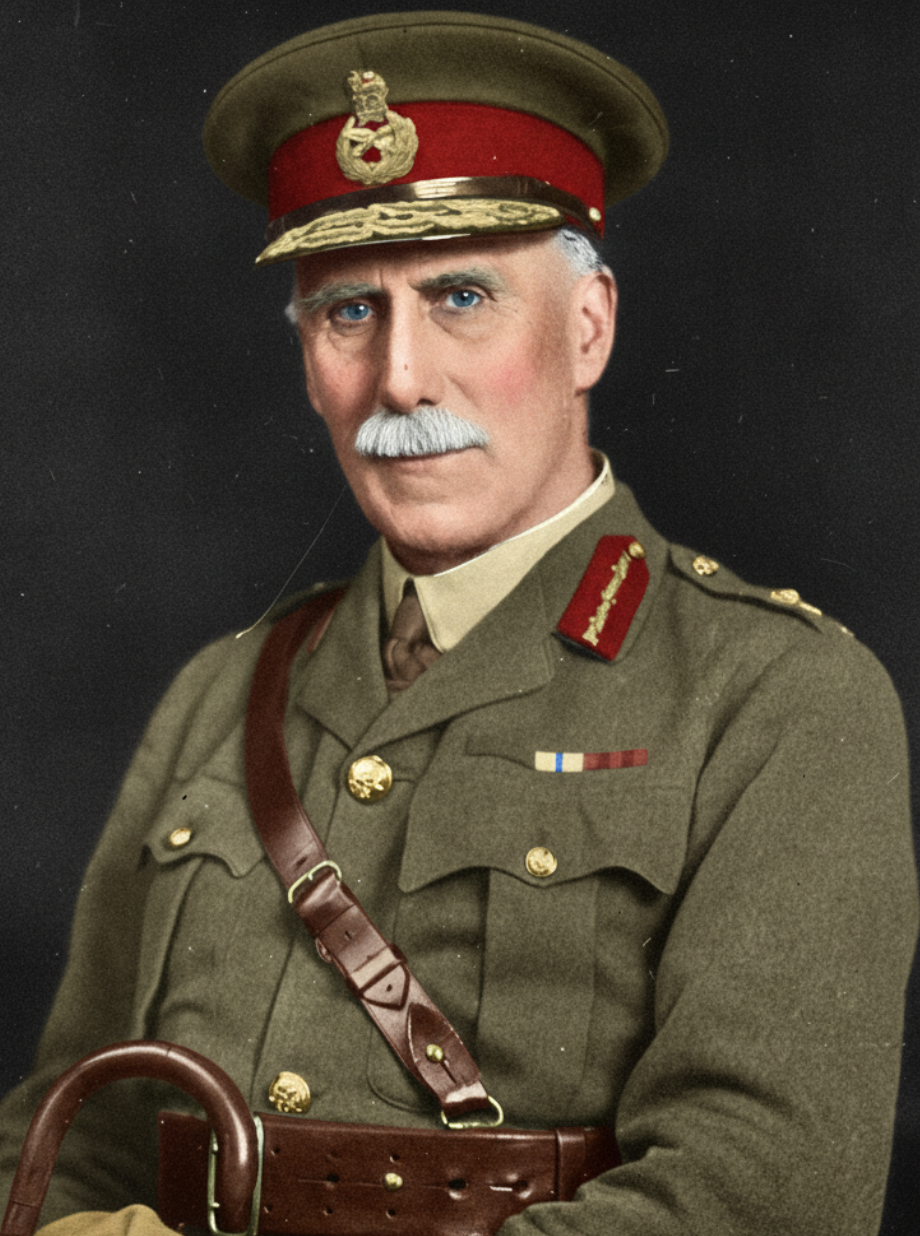
Charles H. Scott, later Major-General Sir Charles Henry Scott, was born in Portsmouth in 1848, into a world shaped by naval and military influence. He was educated for a professional military career and entered the Royal Artillery in 1868, at just nineteen years of age, after training at the Royal Military Academy, Woolwich. At this stage of his life, Scott himself later acknowledged that he felt little spiritual concern. His early years were marked by discipline, ambition, and professional development rather than religious conviction.
Military Career in India
Soon after receiving his commission, Charles Scott was posted to India, where he would spend the greater part of his thirty years of active service. His career was distinguished and demanding. He served in several major campaigns on the North-West Frontier, including the Tirah Expedition of 1897–1898, one of the most difficult frontier operations of the period.
In addition to field service, Scott held a number of senior administrative and logistical posts connected with the Ordnance Service in India, eventually becoming Director-General of Ordnance. His abilities as an organiser, administrator, and leader earned widespread respect within the army.
In 1905, he reached one of the highest levels of imperial administration when he was appointed Military Supply Member of the Viceroy’s Council, placing him at the centre of military governance in India. He held this position for four years, until the office was abolished under Lord Morley, after which Lord Kitchener became the sole military representative on the Council.
Conversion and Spiritual Awakening
Scott’s spiritual turning point came after his arrival in India. Away from home and faced with the realities of life, responsibility, and mortality, he became increasingly conscious of his need for a Saviour. He began to study the Bible seriously and earnestly, not merely as a religious text but as a source of truth. His search was not in vain. He came to a clear personal faith in Jesus Christ, which became the driving force of the rest of his life.
Following his conversion, he came under the influence of Henry Dyer, a respected Christian worker, and through him became associated with believers often known as “Brethren.” From that point onward, Scott took an open and decisive stand for Christ, never hiding his faith despite the expectations and pressures of military life.
Christian Service in India
Sir Charles Scott devoted all his spare time outside official duties to Christian service. A significant portion of his Indian career was spent at Ishapore, near Calcutta, where his home became a centre of Christian activity.
He gave tireless support to:
-
Missionary work
-
Soldiers’ and sailors’ meetings
-
Work among ships’ apprentices
-
The YMCA
-
Various evangelistic and pastoral efforts among both Europeans and Indians
His service was marked by humility, consistency, and generosity. He did not regard Christian work as secondary to his profession but as the true purpose behind it.
Retirement and Christian Leadership in Britain
In 1910, Sir Charles Scott retired from active service and was honoured with the title Knight Commander of the Order of the Bath (K.C.B.), recognising his distinguished military career.
Returning to Britain, he threw himself even more fully into Christian and philanthropic work, especially among soldiers and working men. He was closely associated with many initiatives, including:
-
The Shrubbery Road Mission, Lewisham
-
Gray’s Yard Mission
-
Victoria Homes for Working Men
-
Miss Perks’ Soldiers’ Homes
-
The Soldiers’ Christian Association
He became widely known as a wise counsellor and gracious helper, always ready to give time, encouragement, and practical assistance to those who sought his help.
Marriage and Personal Character
Sir Charles’ wife, the daughter of General J. G. Halliday, was a devoted Christian and a true partner in his work. She shared fully in his Christian interests and labours but predeceased him, a loss he bore with quiet faith. Her father, General Halliday, had also been a faithful servant of Christ and long associated with the Christian assembly at Lewisham.
Those who knew Sir Charles consistently spoke of his Christ-like spirit, humility, patience, and kindness. Despite his rank and honours, he was known as approachable, gentle, and deeply sincere.
Final Years and Death
One of Sir Charles Scott’s last public appearances was presiding over a meeting of the Soldiers’ Christian Association. He also attended meetings at Kingsway Hall, where his quiet but deeply spiritual contributions were valued.
On 30 August 1919, he fell ill with influenza. After five weeks of suffering, borne with remarkable patience and sweetness of spirit, he passed away in October 1919, in his seventy-second year.
Throughout his final illness, the hope of Christ’s coming was very real to him, and he spoke of it with longing and joy. At his funeral, held at Wadhurst on 10 October, Frances Ridley Havergal’s hymn “Thou art Coming, O my Saviour” was sung—a fitting expression of his faith.
Legacy
Sir Charles H. Scott is remembered as:
-
A distinguished military officer
-
A fearless and open Christian witness
-
A generous supporter of missionary and soldier-focused work
-
A man of deep humility, noble character, and Christ-like grace
One former subordinate summed him up memorably:
“I do not know another such perfect specimen of a noble-hearted gentleman in every sense of the word. He spent his life in doing good and helping others, and none who knew him ever spoke of him but in terms of the deepest affection and love.”
His life stands as a powerful example of how faith and duty, rank and humility, and service to country and service to Christ can be united in one consistent and fruitful life.