
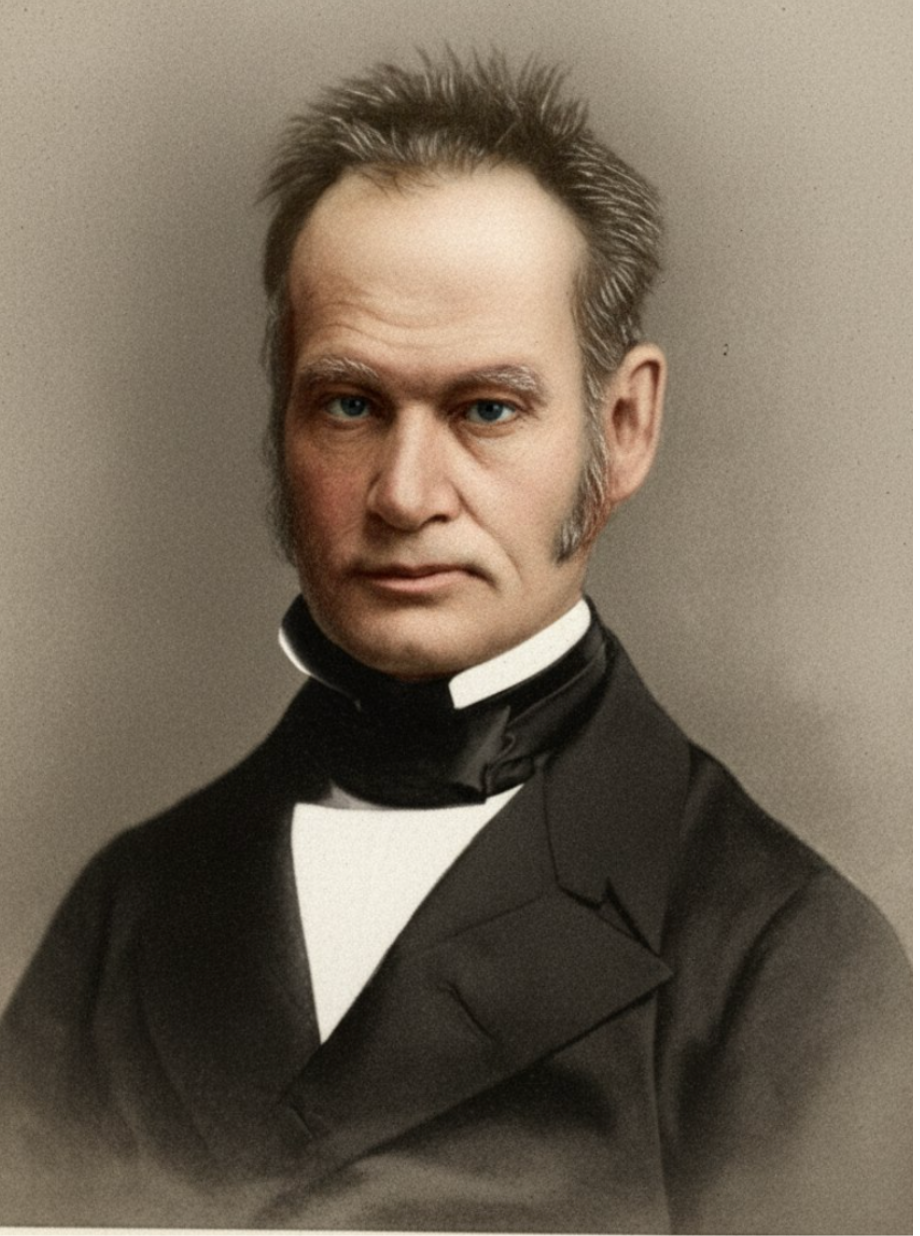
- Years of Life: 1805–1866
Early Life and Conversion
Henry Craik was born in 1805 in England. From an early age, he showed strong intellectual ability and a serious disposition. He received a good education and initially pursued academic interests, but his life changed decisively through a genuine conversion to Christ.
Craik’s conversion produced in him a deep hunger for the Word of God and a desire to serve the Lord wholeheartedly. From the beginning of his Christian life, he was marked by earnest prayer, careful Bible study, and moral integrity.
Early Ministry and Call to Bristol
In his early years of ministry, Craik served as a preacher and teacher within existing church structures. However, like many others in his generation, he became increasingly troubled by the formalism and clericalism prevalent in organized Christianity.
In 1832, Craik moved to Bristol, where he met George Müller. This meeting proved to be a pivotal moment in both men’s lives. United by a shared desire to follow Scripture alone, they soon became lifelong co-laborers.
Partnership with George Müller
Henry Craik and George Müller served together for over thirty years, forming one of the most remarkable Christian partnerships of the 19th century. While Müller is widely known for his orphan work, Craik’s contribution was equally vital, though quieter and less public.
Craik’s primary responsibilities included:
-
Shepherding the believers in Bristol
-
Expository Bible teaching
-
Pastoral care
-
Prayer leadership
-
Oversight of fellowship and discipline
Craik possessed a calm, steady temperament that complemented Müller’s energetic faith and administrative abilities. Together, they demonstrated how shared leadership under Christ could function without clerical hierarchy.
Pastoral Ministry and Teaching
Henry Craik was deeply respected as a pastor-teacher. His preaching was:
-
Clear and scriptural
-
Practical and devotional
-
Christ-centered rather than argumentative
He had a special gift for feeding the flock, patiently unfolding Scripture and applying it to daily life. Many believers testified that his ministry brought stability, comfort, and spiritual growth.
Craik also emphasized:
-
The authority of Scripture
-
Dependence on the Holy Spirit
-
Simplicity in worship
-
Unity among believers
A Life of Prayer
Craik was known as a man of prayer. He shared with Müller a firm belief that all ministry should flow from dependence on God rather than human planning or resources.
Prayer meetings were central to his work, and many decisions affecting the Bristol assemblies and orphan work were made only after extended prayer. Craik believed that prayer was not a supplement to ministry, but its foundation.
Role in the Orphan Work
Although George Müller is most closely associated with the Bristol orphan houses, Henry Craik was fully involved in their spiritual oversight. He:
-
Provided pastoral care for workers
-
Taught Scripture regularly
-
Helped maintain the spiritual tone of the work
-
Encouraged faith during times of testing
Craik ensured that the orphan work remained not merely a humanitarian effort, but a testimony to God’s faithfulness and a means of spiritual blessing.
Personal Character
Those who knew Henry Craik described him as:
-
Gentle and humble
-
Deeply conscientious
-
Patient and wise
-
Faithful in small and great matters
He avoided controversy and prominence, preferring quiet service. His life reflected the truth that true spiritual influence flows from character rather than position.
Later Years and Death
In his later years, Craik continued faithfully in teaching and pastoral care despite declining health. He remained devoted to Scripture and prayer until the end of his life.
Henry Craik went to be with the Lord in 1866, leaving behind a strong and spiritually healthy testimony in Bristol and beyond.
Legacy
Henry Craik is remembered as:
-
A key shepherd in the early Brethren movement
-
A model pastor-teacher
-
A faithful co-laborer with George Müller
-
A reminder of the importance of quiet, steady service
While he never sought recognition, his influence shaped countless lives and helped preserve the spiritual strength of the Bristol assemblies.