
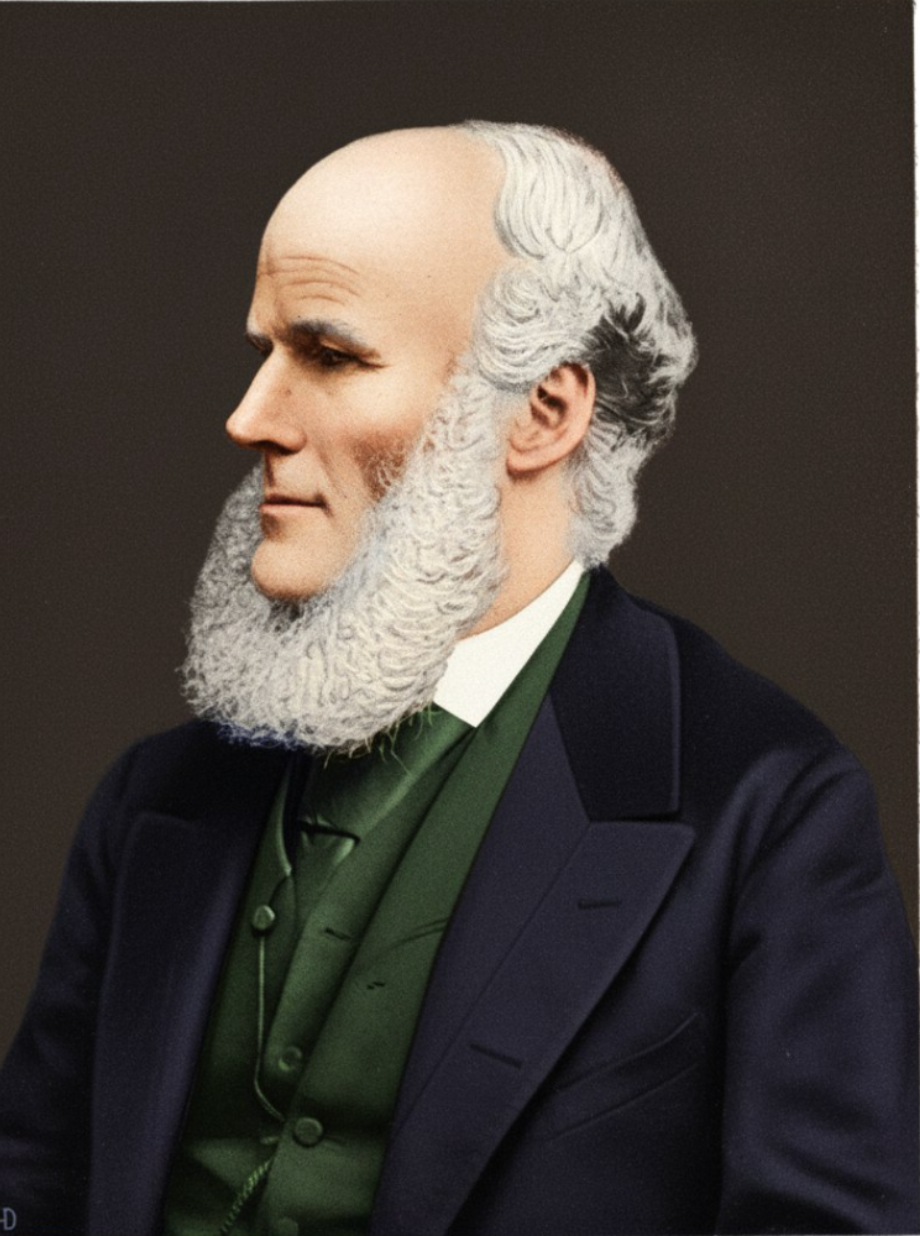
- Years of Life: 1820–1896
Early Life and Background
Charles Henry Mackintosh—widely known as C. H. Mackintosh or simply “CHM”—was born in 1820 in Glenmalure, County Wicklow, Ireland. He was raised in a Christian home and was influenced early by evangelical teaching, though his conversion and spiritual formation deepened gradually through Scripture.
Unlike some of his contemporaries, Mackintosh was not primarily an academic scholar. His gift lay not in technical theology but in clarity of expression, pastoral warmth, and spiritual insight.
Education and Early Calling
Mackintosh was educated privately and later trained as a schoolteacher. For a time, he ran a small school, but he found that teaching children did not fully satisfy his desire to serve Christ.
During these years, his personal study of Scripture intensified, and he became increasingly drawn to the truths concerning:
-
The finished work of Christ
-
The believer’s standing in grace
-
The authority and sufficiency of Scripture
Association with the Brethren Movement
In the late 1830s and early 1840s, Mackintosh became associated with the growing Brethren movement in Ireland and England. He came into fellowship with men such as:
-
John Nelson Darby
-
William Kelly
-
George Müller
-
Henry Craik
Though he respected Darby deeply, Mackintosh did not share Darby’s polemical style. Instead, he emerged as the most accessible and widely read writer among the Brethren.
Literary Ministry: “Notes on the Pentateuch”
Mackintosh’s greatest contribution was his written ministry, especially his monumental work:
Notes on the Pentateuch
This multi-volume commentary on the first five books of the Bible made Scripture:
-
Clear to ordinary believers
-
Rich in devotional insight
-
Christ-centered throughout
Rather than focusing on critical analysis, Mackintosh emphasized:
-
God’s character
-
Redemption by blood
-
The moral lessons of Israel’s history
The work became immensely popular and was translated into multiple languages.
Style and Emphasis
Mackintosh’s writing was marked by:
-
Warm devotion
-
Simple language
-
Strong assurance of salvation
-
Clear distinction between law and grace
He strongly opposed:
-
Legalism
-
Ritualism
-
Doctrinal confusion that undermined assurance
His goal was always to lead souls into rest and joy in Christ.
Pastoral Heart and Evangelical Spirit
Though not formally ordained, Mackintosh functioned as a pastor-teacher. He cared deeply for believers’ spiritual well-being and was often burdened for those troubled by doubt or false teaching.
He also engaged courageously with the theological issues of his day, including:
-
Roman Catholicism
-
Ritualism within Anglicanism
-
Higher criticism of Scripture
Yet even in controversy, his tone remained earnest rather than harsh.
Relationship with Darby and Differences
Mackintosh admired Darby’s intellectual strength but sometimes differed with him in:
-
Approach to controversy
-
Degree of separation practiced
These differences never erased Mackintosh’s loyalty to foundational truths, and he remained firmly identified with Brethren principles throughout his life.
Later Years
In later life, Mackintosh continued writing, preaching, and corresponding widely. His articles were published in periodicals such as:
-
Things New and Old
-
The Bible Treasury
He spent his final years in Cheltenham, England, continuing to encourage believers through his pen.
Death and Homegoing
Charles Henry Mackintosh went to be with the Lord in 1896, leaving behind a vast body of devotional literature that continues to nourish believers worldwide.
Legacy
C. H. Mackintosh is remembered as:
-
The most widely read devotional writer among the Brethren
-
A champion of grace and assurance
-
A master communicator of Scripture
-
A shepherd of souls through the written word
His works have introduced countless readers to a deeper appreciation of Christ and the Word of God.