
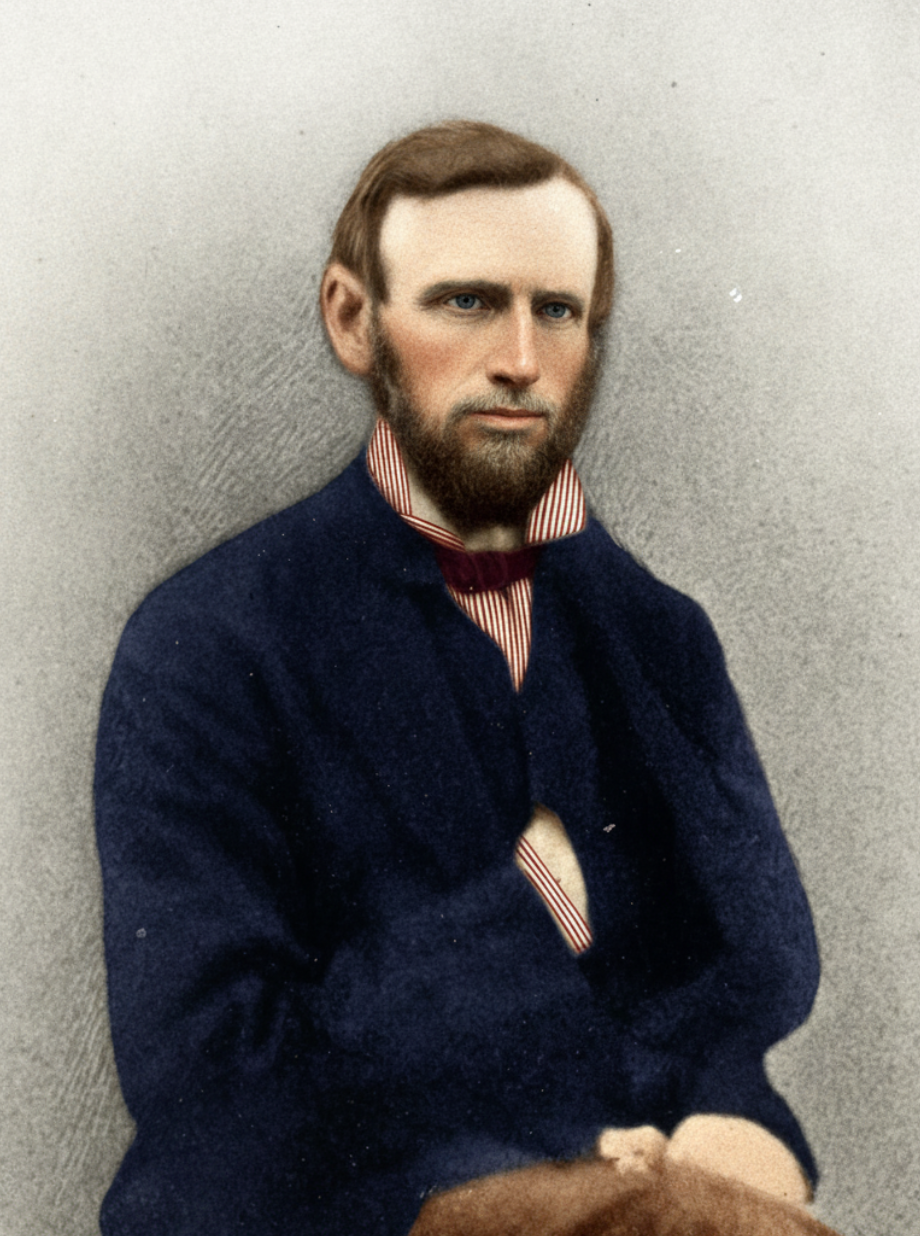
- Years of Life: 1815-1899
Early Life and Spiritual Awakening
Henry Heath was born at Teignmouth on 16 November 1815. In his early adult life he was engaged as a schoolmaster at Tawstock, about the year 1839, in connection with the local parish church. At that time he was also studying for holy orders, preparing for ordination in the Church of England.
It was during this period that a decisive spiritual turning point occurred. Mr. Heath was introduced to R. C. Chapman of Barnstaple, whose Thursday evening Bible readings at No. 9, New Buildings were already becoming well known for their simplicity, reverence for Scripture, and dependence upon the Holy Spirit. When his daily duties were complete, Henry Heath regularly attended these gatherings.
The manner in which the Scriptures were opened—without display, yet with spiritual power—deeply affected him. He began to discover that the Bible was not merely a theological textbook suited to linguistic study in Hebrew and Greek, but the living and inspired Word of God, through which Christ Himself is made known to the soul.
Exercise of Conscience and Obedience to Scripture
As the Word of God gained increasing authority over his conscience, Mr. Heath entered into deep exercise concerning his personal position and future path. He once remarked to a friend that the Scriptures had become “a new power” in his soul. What he had formerly approached as an academic discipline was now revealing the mind and will of God.
This led to a profound question of obedience. After much waiting upon God in prayer, he came to the solemn conclusion that he could not proceed with ordination. Like Abraham of old, he chose the pathway of unreserved obedience to the Scriptures of truth, acting upon the words, “Ye shall know the truth, and the truth shall make you free” (John 8:32).
He therefore abandoned his studies for holy orders, a step that involved sacrifice, misunderstanding, and obscurity, but which brought deep peace to his soul.
Lifelong Fellowship with R. C. Chapman
Mr. Heath’s frequent visits to R. C. Chapman’s humble home, and the quiet consistency of that godly life—marked by faith, simplicity, and entire dependence upon Scripture—produced deep searchings of heart. Henry Heath came to the settled conviction that obedience to the revealed will of God in Scripture was the only true pathway of peace.
This marked the beginning of a lifelong friendship. Mr. Chapman later testified that “there was always Henry Heath’s room at our house ready for him when he came.” The fellowship between the two men was one of mutual love, spiritual sympathy, and shared devotion to Christ.
Years of Hidden but Fruitful Service
Around 1848, Mr. Heath moved to Hackney, where he remained for twenty-one years. Later he removed to Woolpit, a small and secluded village in the heart of Suffolk, situated six miles from the nearest town and two miles from a railway station.
Here he spent nearly thirty years of his life in quiet, faithful service. The guiding word of Scripture that had long spoken to his heart was:
“Seekest thou great things for thyself? seek them not” (Jeremiah 45:5).
Hidden from public view, unknown to the religious world, Henry Heath nevertheless became a great spiritual blessing to all who came under his ministry. From fifteen surrounding villages, some as far as six miles away, believers regularly travelled to the Woolpit Room to hear the Word of God expounded. They returned home refreshed, strengthened, and fed.
The meeting room at Woolpit—built on a squatters’ claim—was able to accommodate about 300 persons, and included a residence, stables for horses, and a graveyard in which many of the Lord’s people were laid to rest. It stood as a quiet testimony to a work of God carried on without publicity but rich in spiritual fruit.
Ministry and Character
Henry Heath’s ministry was marked by reverence for Scripture, spiritual depth, and pastoral care. He sought no prominence and avoided religious ambition. His teaching consistently exalted Christ and ministered rest and refreshment to weary saints.
Together with Henry Groves of Kendal and Henry Dyer of Bath, he was remembered as one of “the three Henrys”—Bible students and expositors whose ministry left a lasting impression upon many assemblies.
His writings, including Quiet Waters of Rest and Refreshing and Truths for Believers, reflect the same spirit that characterised his spoken ministry: calm, Christ-centred, and grounded in Scripture.
Home Call and Enduring Legacy
In the year 1900, the call came for higher service in the presence of the Lord whom he had loved and served for so long. He passed quietly from a life of faithful obscurity into the joy of his Master.
Henry Heath is remembered not primarily for personal distinction, but because he faithfully spoke of Another. His name continues to be revered, not for the man himself, but for the blessed Lord Jesus Christ, whom he proclaimed with such simplicity, obedience, and devotion.
“Hidden, yet fruitful; unknown, yet greatly used—he served his generation by the will of God, and fell asleep.”