
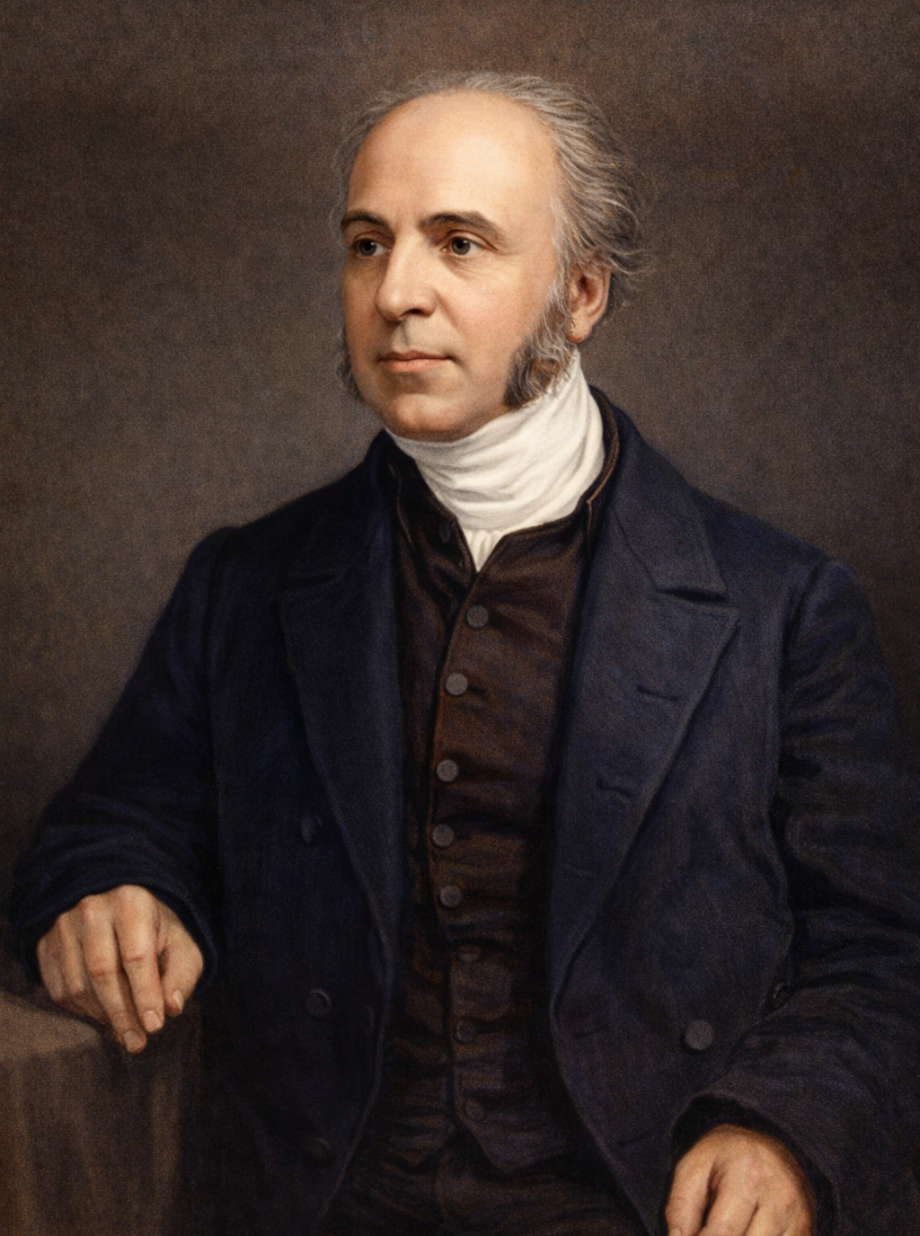
- Years of Life: 1804–1854
Early Life and Hardship
John Kitto was born in 1804 in Plymouth, England, into very humble circumstances. His early life was marked by severe hardship. At the age of twelve, he suffered a tragic accident—falling from a rooftop—that left him permanently deaf.
This disability drastically altered the course of his life. At a time when deafness often meant isolation and limited opportunity, Kitto faced social marginalization and economic difficulty. Yet these very trials became instruments through which God shaped his future service.
Education and Self-Discipline
Despite his deafness and poverty, Kitto possessed a keen intellect and a remarkable capacity for study. He learned to read lips and devoted himself to books with extraordinary diligence.
He developed strong skills in:
-
History
-
Geography
-
Biblical languages
-
Ancient cultures
His love for Scripture grew steadily, and his careful study laid the foundation for a lifetime of scholarly contribution.
Spiritual Life and Faith
Kitto was a sincere Christian who held firmly to the authority of Scripture. Though not a public speaker due to his deafness, he expressed his faith powerfully through writing.
His spiritual life was marked by:
-
Patience in suffering
-
Deep reverence for God’s Word
-
A desire to make Scripture understandable to ordinary readers
Connection with the Brethren
John Kitto became associated with the Brethren movement during its early years. While he was not a prominent assembly leader or traveling teacher, he was deeply valued for his scholarly gifts.
Brethren leaders appreciated Kitto because:
-
He upheld the inspiration of Scripture
-
He avoided speculative theology
-
He focused on historical and geographical clarity
His work complemented the doctrinal teaching of men like Darby and Kelly by providing background knowledge that illuminated the text of Scripture.
Literary Contributions
Kitto’s most significant achievements were literary. He became one of the foremost Bible scholars of his generation, especially in making biblical geography and customs accessible.
Major Works
-
The Pictorial Bible – A richly illustrated commentary explaining Scripture through geography, archaeology, and culture
-
Cyclopaedia of Biblical Literature – A comprehensive reference work widely used by ministers and Bible students
-
The Lost Senses – A personal and thoughtful reflection on disability and faith
These works helped readers understand:
-
The lands of the Bible
-
Ancient customs and daily life
-
Historical context behind Scripture
Travels to the Bible Lands
In the 1830s, Kitto traveled through the Middle East, including regions of the Bible such as:
-
Palestine
-
Egypt
-
Asia Minor
These journeys gave him firsthand knowledge of:
-
Biblical landscapes
-
Eastern customs
-
Archaeological remains
His observations added accuracy and vividness to his writings.
Personal Character
Those who knew John Kitto described him as:
-
Quiet and thoughtful
-
Deeply disciplined
-
Persevering despite suffering
-
Grateful for opportunities to serve
His deafness fostered a life of reflection and careful observation, enriching his scholarship.
Later Years and Health Struggles
Kitto’s intense workload, combined with fragile health, eventually took its toll. He struggled with physical weakness and periods of discouragement, yet continued working faithfully as long as he was able.
Death and Homegoing
John Kitto went to be with the Lord in 1854, at the age of 50. Though his life was relatively short, his influence was substantial.
Legacy
John Kitto is remembered as:
-
One of the greatest Bible illustrators of the 19th century
-
A scholar who served Christ despite physical disability
-
A bridge between academic research and devotional Bible reading
-
A testimony that God’s work is not hindered by human weakness
His writings continue to benefit students of Scripture even today.