
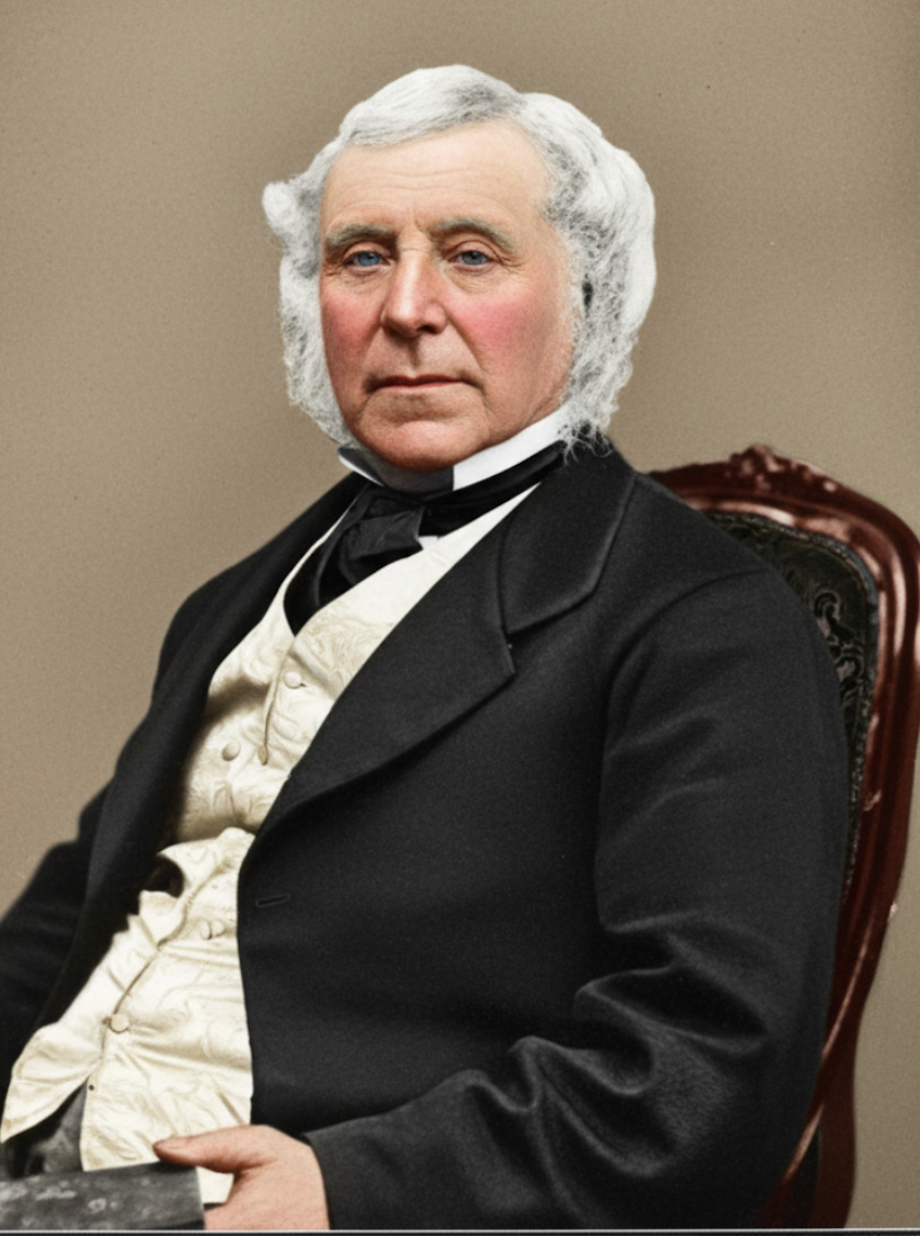
- Years of Life: 1792-1882
Early Life and Conversion
Edward Cronin was born in 1792 in Ireland. Trained as a medical doctor, he possessed a disciplined mind, a compassionate heart, and a deep sense of responsibility toward both physical and spiritual needs. In his early adulthood, Cronin experienced genuine conversion to Christ, which reshaped the direction of his life and priorities.
Though professionally successful, Cronin became increasingly burdened by the spiritual condition of the church in his day—marked by clerical control, denominational divisions, and formality in worship. He longed for a simpler, more Scriptural expression of Christian fellowship centered solely on Christ.
The Dublin Gatherings (1825)
Edward Cronin stands among the earliest and most significant pioneers of what later became known as the Brethren movement. In November 1825, he began meeting with a small group of believers in Dublin, gathering simply to:
-
Study the Scriptures
-
Pray together
-
Break bread weekly in remembrance of the Lord
-
Recognize no ordained clergy
-
Acknowledge Christ alone as Head of the Church
These meetings took place in private homes and were characterized by reverence, simplicity, and liberty of the Holy Spirit. Alongside John Gifford Bellett, Anthony Norris Groves, and others, Cronin helped establish what many historians recognize as the birthplace of the Brethren movement.
Cronin was among the first to insist on the Lord’s Supper being observed weekly, in obedience to the New Testament pattern, and on the inclusion of all true believers without denominational barriers.
Spiritual Character and Influence
Edward Cronin was not a public preacher or prolific writer. His influence flowed primarily from his consistent godly character, spiritual discernment, and steadfast devotion to Scripture.
He was known for:
-
Humility and simplicity
-
Faithfulness in fellowship
-
Practical love for believers
-
Moral courage without contentiousness
Cronin’s medical background also shaped his ministry. He cared deeply for the poor and sick, reflecting the Lord’s compassion in practical ways. His life embodied the belief that truth must be lived, not merely taught.
Relationship with Early Brethren Leaders
Cronin shared close fellowship with early Brethren leaders such as Bellett, Groves, and later John Nelson Darby. While Darby would go on to become the most prominent teacher associated with the movement, Cronin remained content to serve quietly without seeking recognition.
He played a stabilizing role in the early gatherings, ensuring that:
-
Liberty did not become disorder
-
Simplicity did not become carelessness
-
Truth did not eclipse love
His presence helped preserve balance during a time of rapid doctrinal recovery and growth.
Later Life and Faithful Testimony
As the Brethren movement spread beyond Ireland into England and Europe, Cronin continued steadfastly in fellowship. Though not widely known outside early circles, he remained respected for his spiritual maturity and consistency.
Cronin lived a long life, witnessing the growth, divisions, and challenges that arose within the movement. Through all these changes, he remained marked by quiet faithfulness and devotion to Christ rather than to any party or position.
He went to be with the Lord in 1882, having served Christ faithfully for more than half a century.
Legacy
Edward Cronin is remembered as:
-
One of the first believers to gather simply to the Lord’s Name
-
A founding influence in the Dublin assemblies
-
A model of humble service and spiritual consistency
-
A reminder that great movements are often built by quiet, faithful men
Though he left few written works, his life itself was his testimony—a living expression of New Testament Christianity practiced in humility, obedience, and love.
Key Principles Associated with Edward Cronin
-
Weekly remembrance of the Lord in the breaking of bread
-
Rejection of clerical hierarchy
-
Unity of all true believers
-
Dependence on Scripture alone
-
Practical Christian compassion